(a steamy tale of intimidation in a port)
but first let’s see what makes big ships "tick":
The Largest Diesel Engine in the World
The
pictures of a huge engine at the end of part 2 generated quite an
interest, so I decided to give a proper info on that colossal beast:
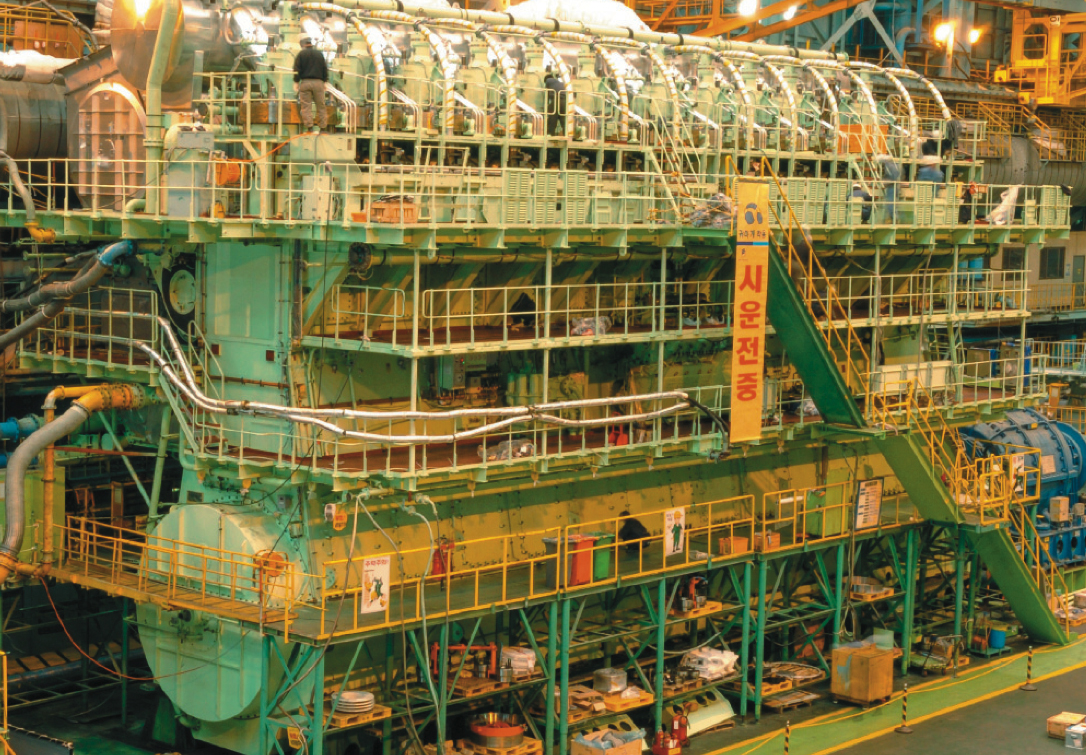
The name is Wärtsilä-Sulzer RTA96-C turbocharged diesel engine:
it has 14 cylinders
Output Power is 80,080 kW or 108,920 bhp.
(your Jeep may have 300 bhp)
width 26,7 meters, height 13,2 meters
(a small apartment building)
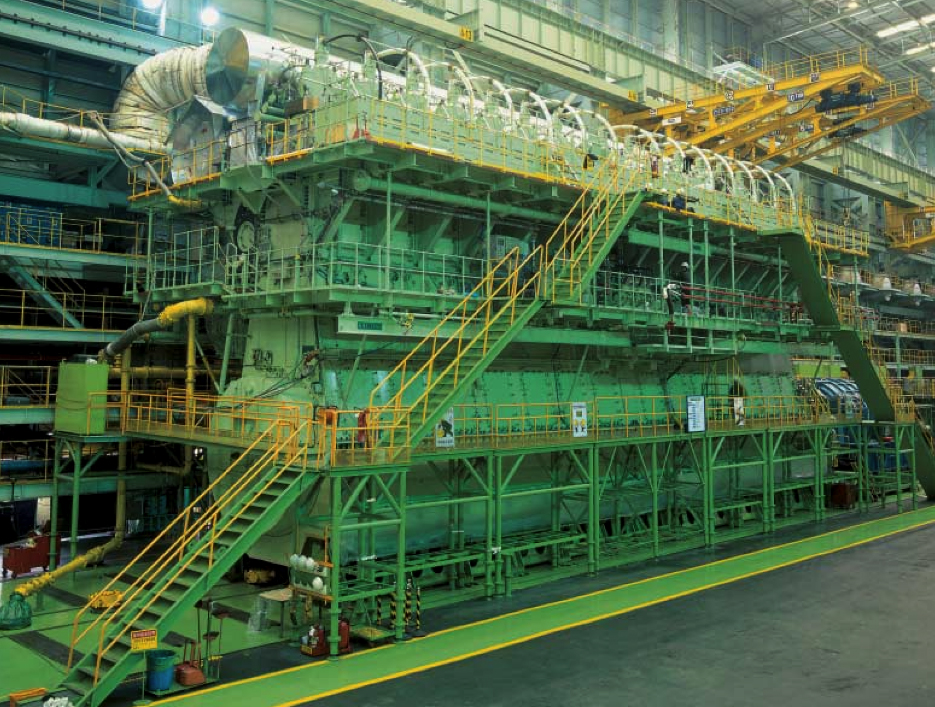
Currently the company is considering an 18-cylinder version.
Here is how these cylinders look (they are 1-meter each in diameter)
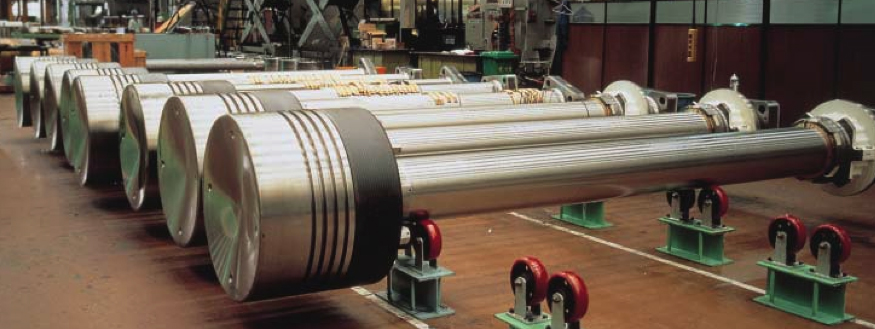
A piston & piston rod assembly:
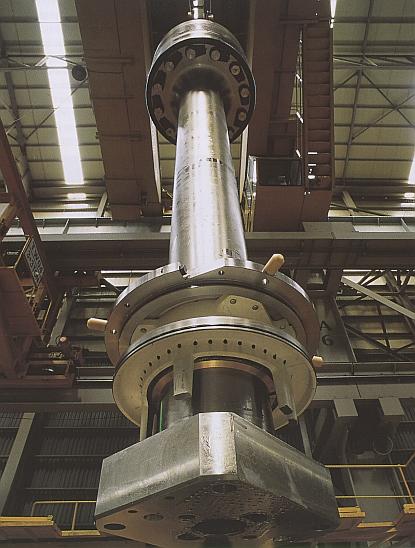
another image of the crankshaft:
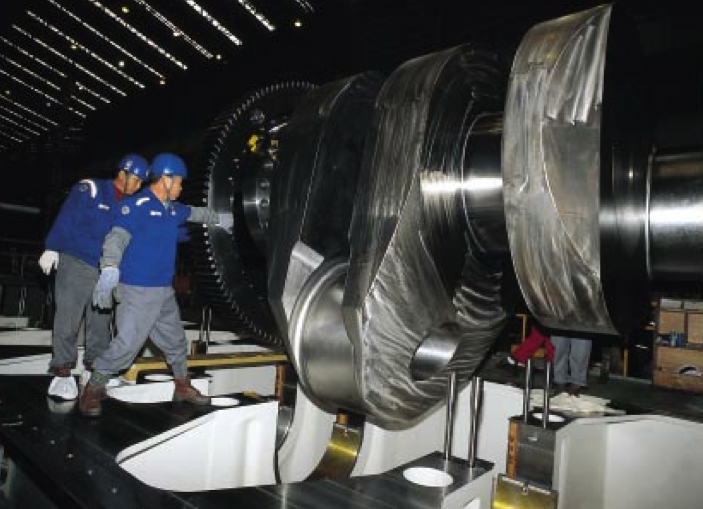
For more info there is an
Wikipedia entry, and Wartsila’s site. Also there is an excellent overview article here
Smaller versions of these engines were installed on various supertankers and giant cargo ships before: 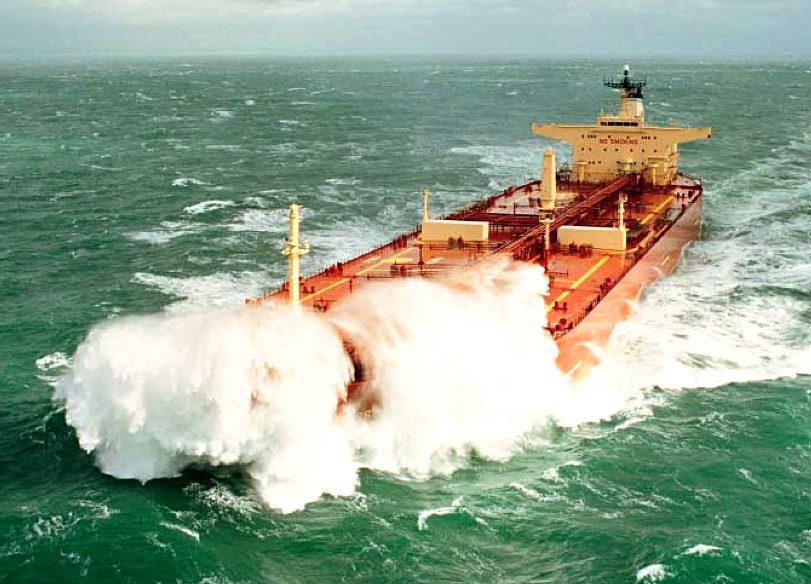
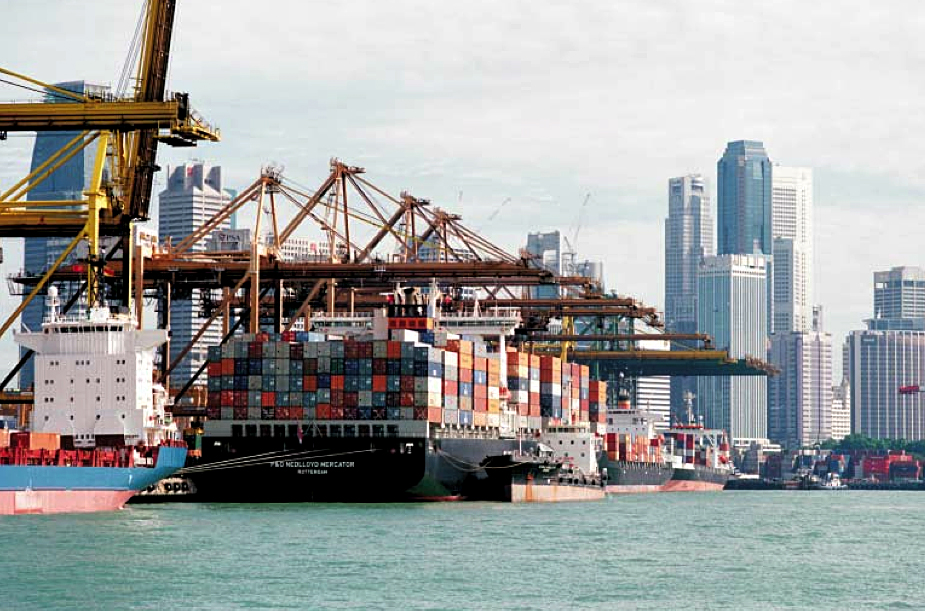
(they are also adapting them for the interstellar Enterprise-type vessels to battle Klingons more effectively)
But more recently, in September 2006 huge 14-cylinder diesel engine was put into service aboard "Emma Maersk":
Witness "EMMA MAERSK" – The Biggest Container Ship in the World
My
website layout does not allow to show the full length of these photos,
to give that ship full credit. So make sure you click on the source gallery
(the bigger the monitor you have the better)
Click to enlarge:


Crowds
watch the arrival of the huge vessel in Rotterdam. The ship can carry
between 11,000 and 14,500 containers and is 400 meters long. (Empire
State Building is 445 meters high)
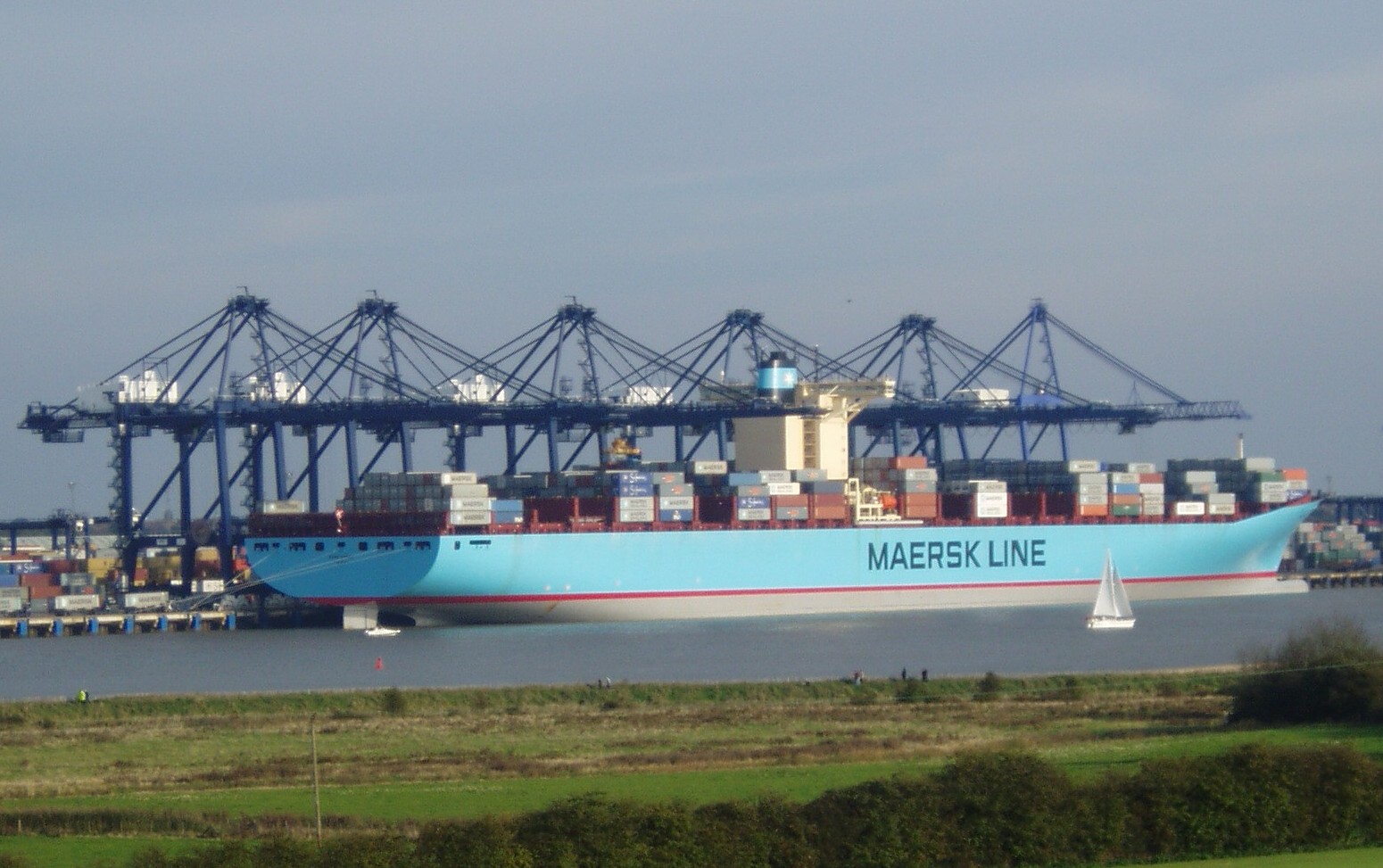
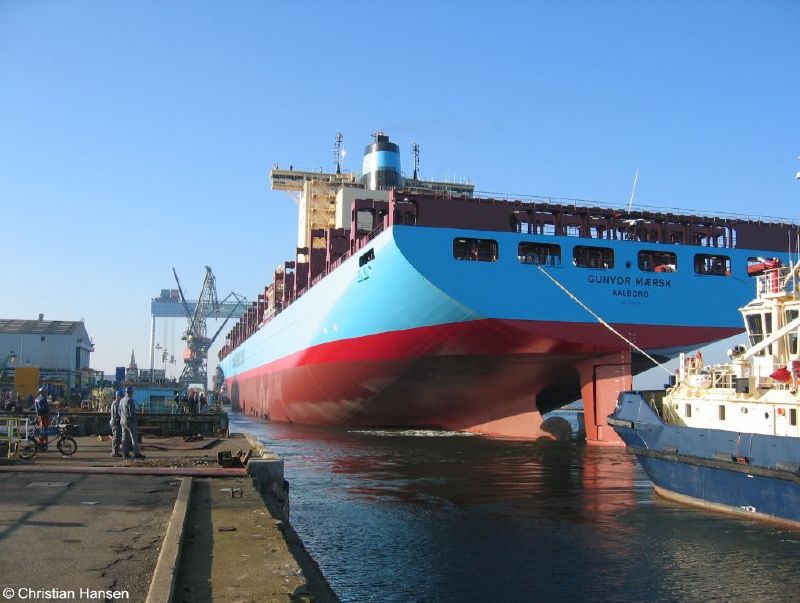
Photo by Christian Hansen
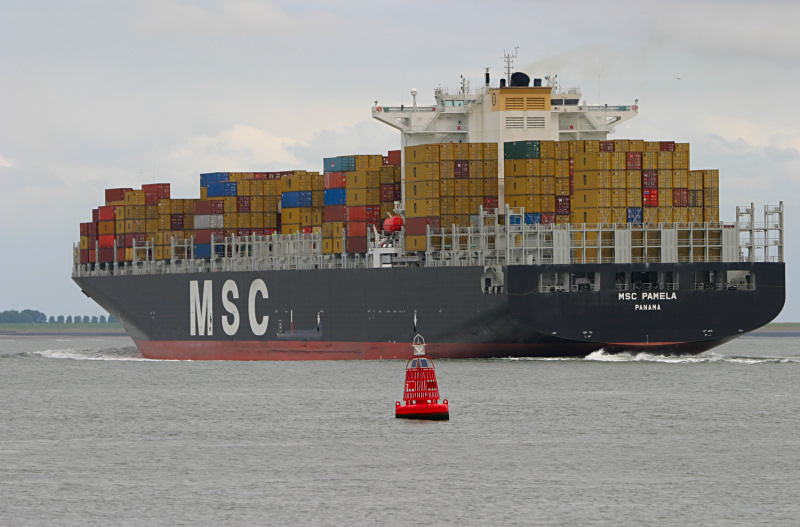
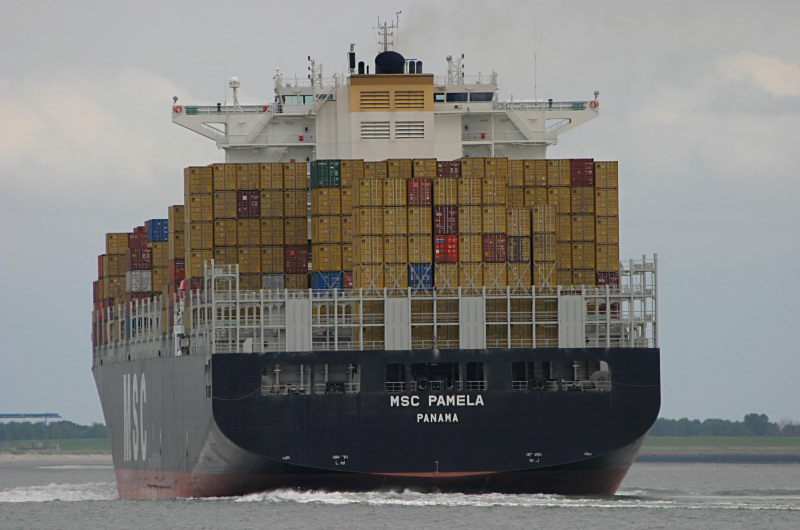
Serious size and muscle there, you have to admit. Slightly smaller ship
"MSC Pamela" looks almost as imposing:
Speaking about ports and tugboats…
If in seaport, be careful around cargo cranes:
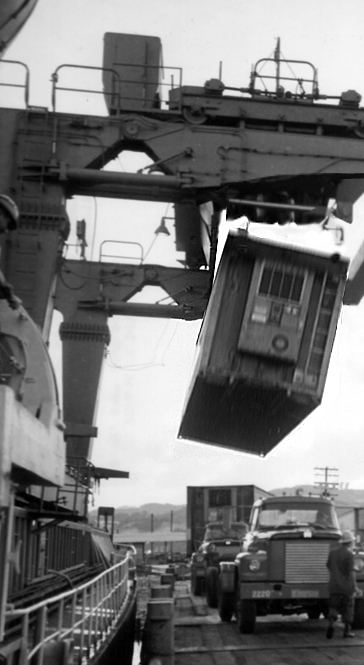
(don’t worry, I used Photoshop)
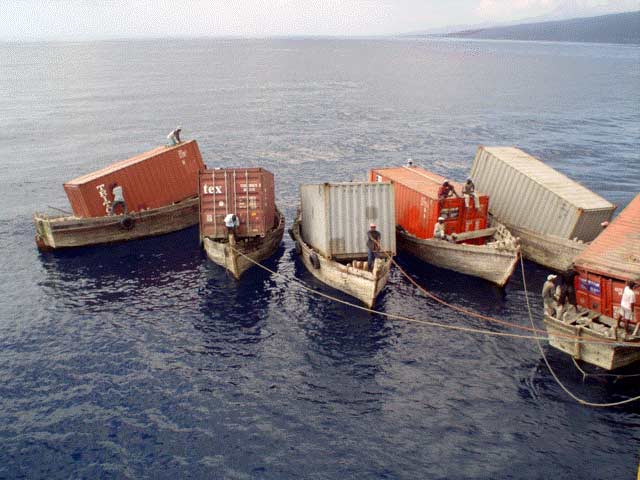
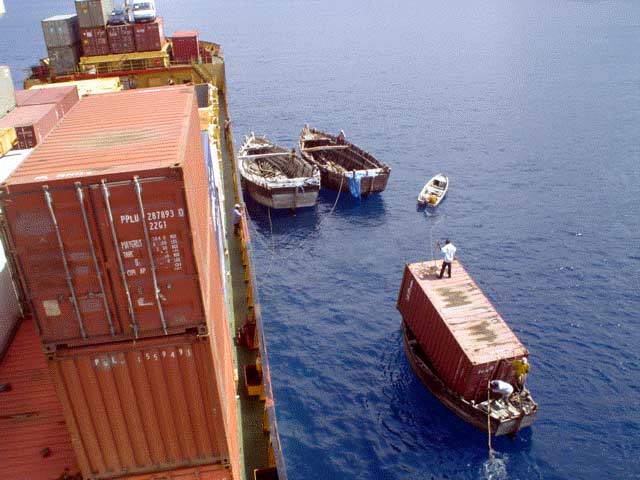
…marvel at this group of people, who by-pass the cargo cranes entirely:
PERSONAL CONTAINER MANAGEMENT:
…notice the various tugboats scuttling around, and remember to pay them proper respect, because
– they are often overworked: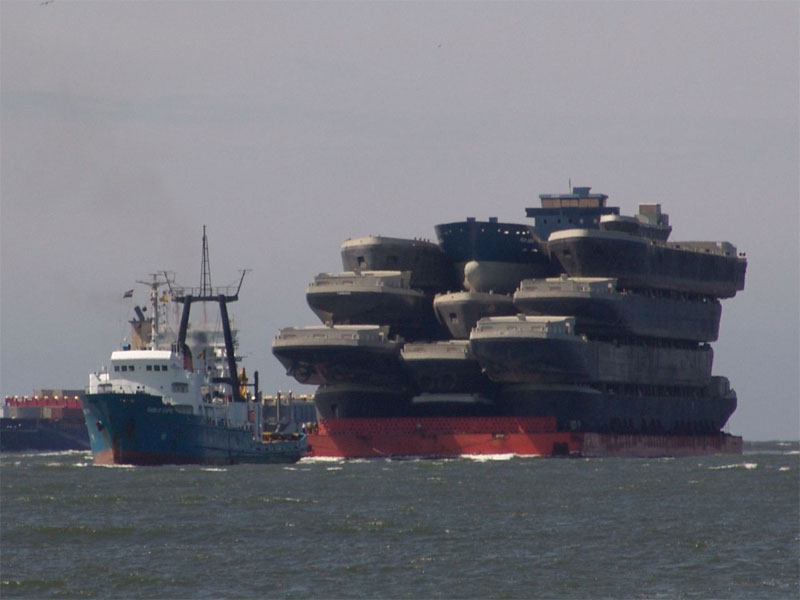
– they have to go against big ship wakes: 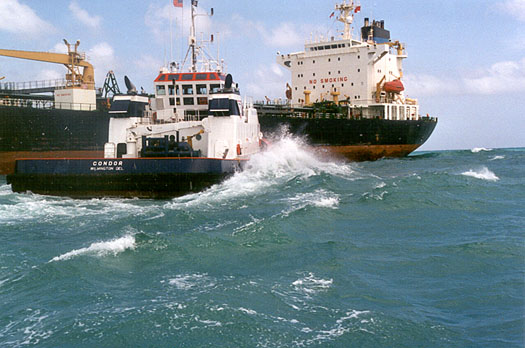
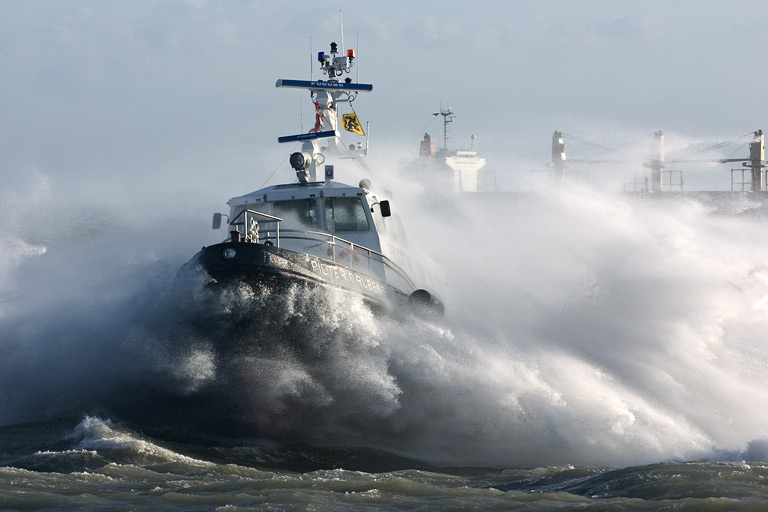
– they’re abused by the larger ships
(like a little tug in this video, who did not see the ANCHOR coming)
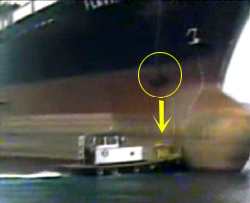
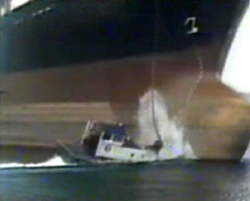
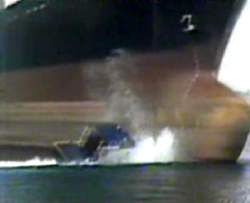
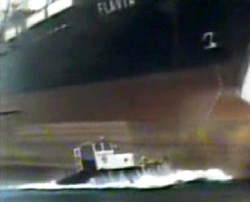
Tugs
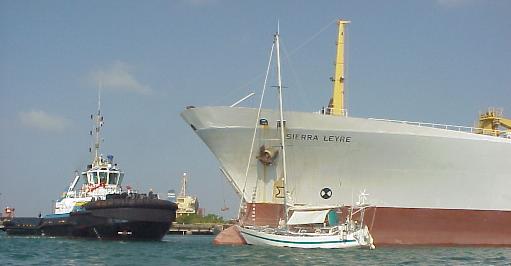
come to the rescue when a larger ship catches the smaller one in a
deadly grip: "The anchor chain from the sailboat caught over the bulb
of the freighter. The saiboat was soon nearly dragged under the
freighter." (Picture by Susan Wagner)
And, for all their hard work, tugboats only end up crushed between the larger ships, if they are not nimble enough:
(photos of one such boat after being man-handled by a freighter)
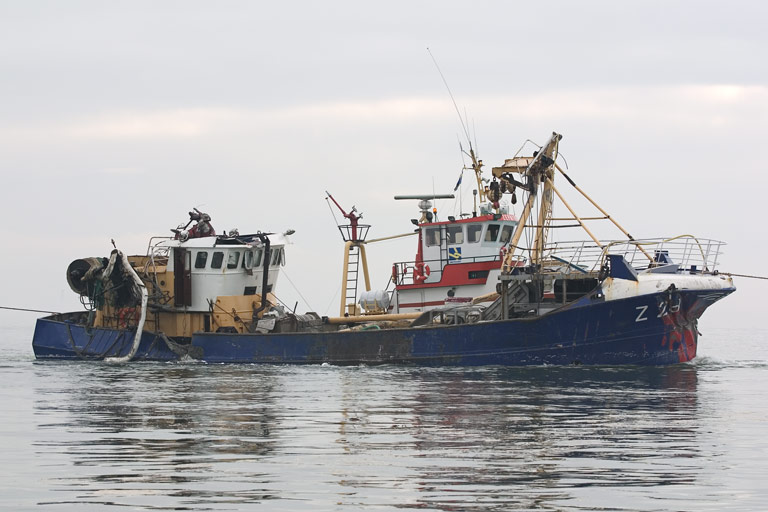
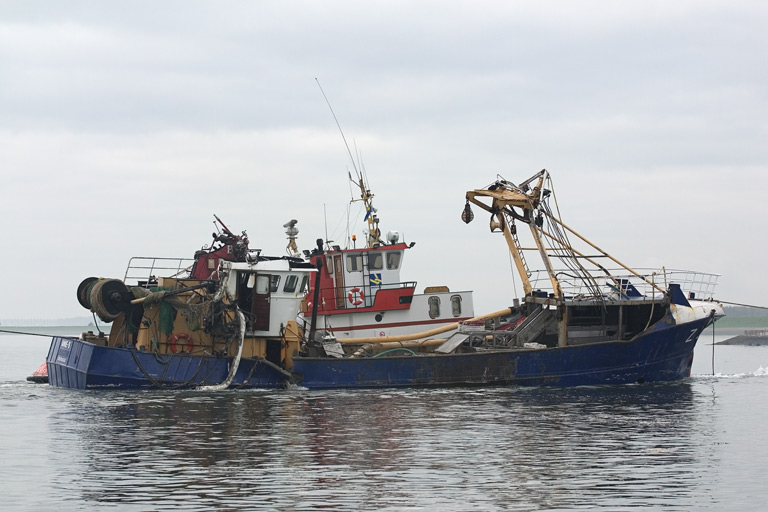
(photo source: DutchPhotoZone)